
Three Signs You’re Walking Into a Dysfunctional Family System
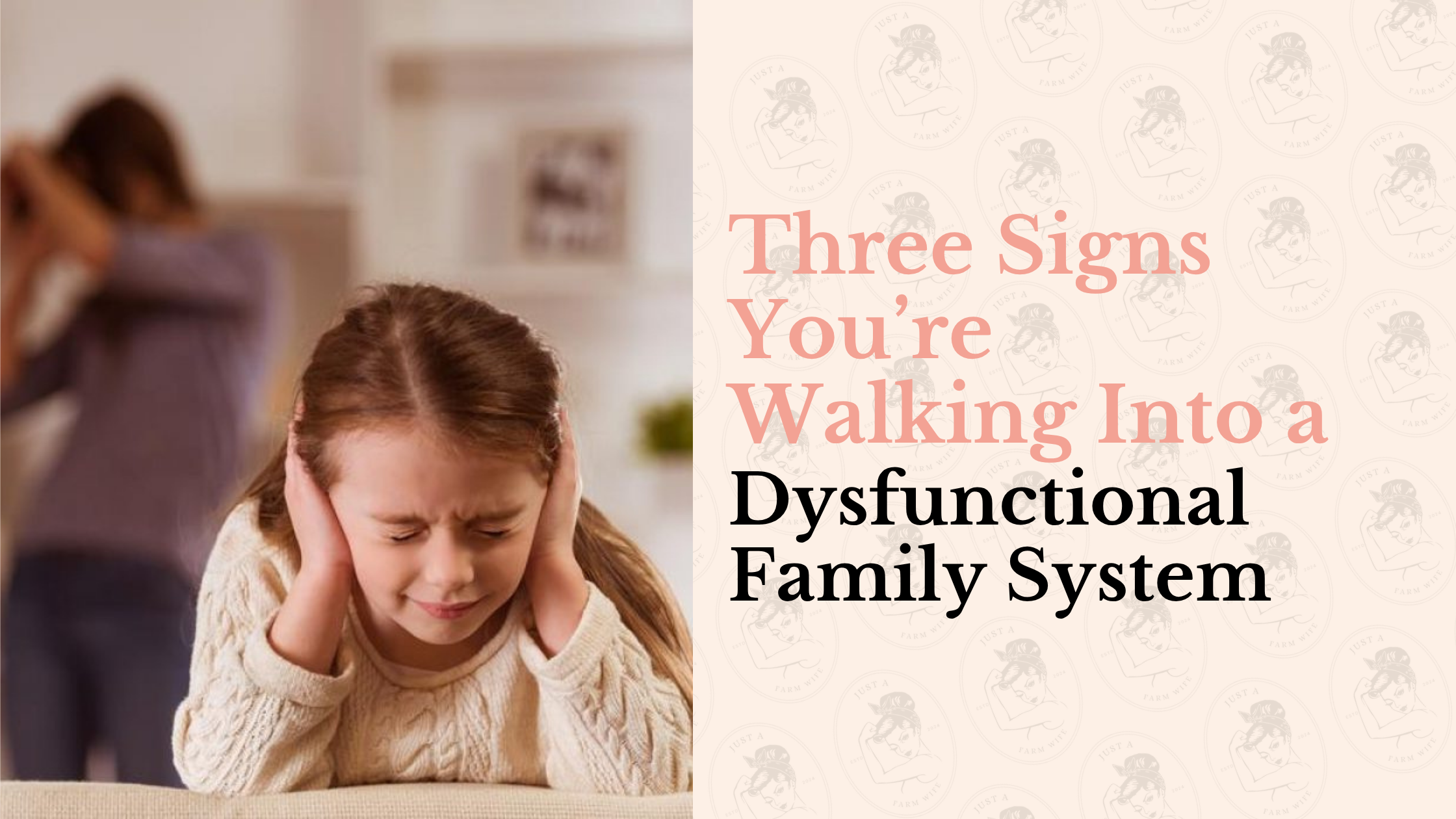
One of the things I’ve learned over the years is that dysfunction rarely announces itself when you walk through the door. It doesn’t usually come with flashing lights or dramatic scenes. Instead, it often hides behind smiles, traditions, family gatherings, and phrases like, “That’s just how we’ve always done things.”
But if you pay attention, there are some clear signs that you’re stepping into a family system that isn’t functioning in a healthy way.
1. Everyone Has a Role, and Nobody Is Allowed to Leave It
In healthy families, people are allowed to grow, change, make mistakes, and become new versions of themselves.
In dysfunctional families, roles become identities.
There’s the responsible one. The troublemaker. The peacemaker. The golden child. The black sheep.
And heaven help the person who tries to step outside of the role they’ve been assigned.
If the “responsible” child starts setting boundaries, they’re suddenly selfish. If the “troublemaker” gets their life together, people still treat them like they’re one bad decision away from disaster.
When a family needs everyone to stay exactly where they’ve always been, it’s not about love. It’s about maintaining a system.
2. The Truth Makes People Uncomfortable
Healthy families may not always like difficult conversations, but they’re willing to have them.
Dysfunctional families often treat honesty like a threat.
The moment someone brings up a problem, addresses hurt feelings, or points out unhealthy behavior, the conversation quickly shifts. The topic gets changed. The person speaking up gets blamed. Suddenly they’re “too sensitive,” “dramatic,” or “causing problems.”
The issue itself never gets addressed.
A family system that cannot tolerate truth will always prioritize comfort over growth.
And eventually, everyone learns that keeping the peace is more important than being honest.
3. Boundaries Are Seen as Betrayal
This one is probably the biggest red flag.
In healthy relationships, boundaries help create respect.
In dysfunctional systems, boundaries are often viewed as rejection.
The moment someone says no, asks for space, declines an invitation, or chooses what’s best for themselves, guilt starts showing up.
People become offended. Family members take things personally. Pressure increases.
Why?
Because boundaries disrupt unhealthy patterns.
A family that depends on access, control, obligation, or guilt will struggle when someone begins establishing healthy limits.
The reaction to a boundary often tells you more about the system than the boundary itself.
Final Thoughts
Dysfunctional family systems aren’t always loud. Sometimes they’re subtle. Sometimes they’re wrapped in tradition, loyalty, or the expectation that family comes first no matter the cost.
But healthy families allow room for honesty, growth, accountability, and boundaries.
If you find yourself in a system where roles are rigid, truth is unwelcome, and boundaries are treated like betrayal, pay attention.
Those signs aren’t random.
They’re often telling you everything you need to know.